
Company Profile Design: The Complete Guide to Building a Professional Identity That Reflects Your Company's Value
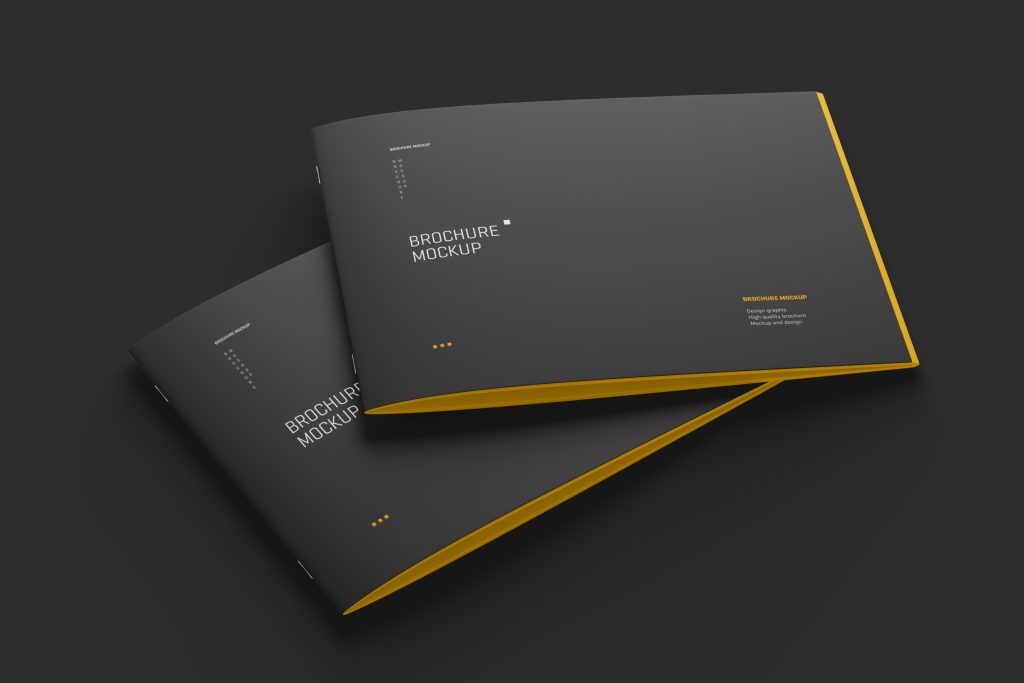
When a potential client or investor reaches out to your company for the first time, your company profile is often the first real impression they form. Company profile design isn’t just a PDF filled with generic information — it’s a strategic marketing tool that summarizes your company’s identity, services, and competitive edge in a compelling visual format. In this complete guide, we cover everything you need to know to design a professional company profile that builds credibility and opens doors to new opportunities.
Table of Contents
- What Is a Company Profile and Why It Matters
- Company Profile vs. Brochure vs. Brand Identity
- Essential Elements of a Professional Company Profile
- How to Design a Company Profile, Step by Step
- Common Mistakes to Avoid
- Practical Design and Content Tips
- How to Choose a Designer or Agency
- Frequently Asked Questions
What Is a Company Profile and Why It Matters
A company profile is a professional document that presents a complete picture of your business: who you are, what you offer, and what sets you apart from competitors. It’s typically used in client presentations, tender submissions, investor meetings, and even as downloadable content on a company website.
The importance of a company profile goes beyond aesthetics — it’s about building trust. A well-designed, logically structured profile sends an implicit message that your company pays attention to detail and operates professionally. On the other hand, a disorganized or poorly designed profile can cost you real opportunities, even if your services are excellent.
Company Profile vs. Brochure vs. Brand Identity
Many business owners confuse these three terms, even though each serves a different purpose:
- Brand Identity: The complete visual system — logo, colors, typography, and overall style — that every piece of company material is built on.
- Brochure: A short marketing piece focused on a specific product, service, or promotional offer, usually meant for quick distribution.
- Company Profile: A more comprehensive document that presents the company as a whole — its story, vision, services, team, and achievements — typically used in formal contexts like tenders and partnerships.
In short, brand identity is the foundation both the brochure and the profile are built on, but the company profile is the more thorough, high-stakes document of the two.
Essential Elements of a Professional Company Profile
A successful company profile isn’t just a collection of facts — it’s a cohesive story told in a logical order. Here are the elements it should include:
- Cover Page: Features the logo, company name, and a short tagline.
- Company Overview: A brief paragraph explaining who the company is, its founding year, and its industry.
- Vision, Mission, and Values: Outlines the company’s strategic direction and the principles guiding its work.
- Services or Products: A clear, organized presentation of what the company offers, supported by icons or illustrative visuals.
- Why Choose Us: What makes the company a better choice than its competitors.
- Team or Leadership: A short introduction to key personnel, when relevant to the business.
- Portfolio or Client Highlights: Examples of past projects or client logos (with permission).
- Contact Information: Phone number, email, website, and social media handles.
How to Design a Company Profile, Step by Step
- Define the Goal and Audience: Is the profile aimed at potential clients, investors, or a government tender? The goal shapes the tone and content.
- Gather Content Before Designing: Write the copy, collect images, and finalize figures and achievements before opening any design software, to avoid reworking pages later.
- Build the Overall Structure: Arrange sections in a logical order, starting with the introduction and ending with contact details, so the story flows naturally.
- Apply Brand Identity Precisely: Use the company’s exact colors, fonts, and logo consistently across every page.
- Design a Clear Visual Hierarchy: Use contrast and white space to guide the reader’s eye from one element to the next without clutter.
- Proofread Content and Visuals: Make sure the copy is error-free and all images are high resolution.
- Export in the Right Format: Usually a high-quality PDF that works for both printing and digital sharing.
Common Mistakes to Avoid
- Overloading with Information: Cramming in every possible detail makes the profile exhausting and hard to read. Focusing on what matters most is more effective than covering everything.
- Ignoring Brand Identity: Using colors or fonts that differ from the company’s identity weakens consistency and dilutes the overall impression.
- Long, Unstructured Text: Dense paragraphs with no headings or bullet points cause readers to lose interest quickly.
- Low-Quality Images: Details this small have an outsized effect on how credible the company appears.
- Missing Proof Points: Claims without evidence (like years of experience or number of clients) weaken trust, while realistic, specific figures build it.
Practical Design and Content Tips
On the design side, it’s best to stick to a color palette of two to three core colors, paired with a clear heading font and body font that are easy to read. Using icons instead of long paragraphs makes content feel lighter and easier to absorb, especially in the services section.
On the writing side, copy should speak directly to the reader and highlight the benefit of working with the company, rather than describing the company purely from an internal point of view. Short, direct sentences are more effective than long, formal ones.
It’s also worth updating your company profile regularly — at least once a year, or whenever something significant changes, like launching a new service or reaching a major milestone — so the document always reflects the company’s current reality.
How to Choose a Designer or Agency
When looking for a designer to create your company profile, pay attention to the following:
- A Relevant Portfolio: Make sure they have actual company profile examples for businesses similar to yours.
- Strategic Thinking, Not Just Visual Skill: A good designer asks about your audience and the profile’s goal before starting the design.
- Consistency with Brand Identity: Confirm they can work within your existing brand identity without breaking its consistency.
- Clear Scope and Deliverables: Number of pages, allowed revisions, and final file formats should all be agreed on upfront.
- Realistic Timeline: A professional company profile needs adequate time for research, design, and revisions — be cautious of anyone promising instant delivery for work of this importance.
Conclusion
Designing a company profile is a long-term investment in your company’s image and credibility with clients, partners, and investors. A well-written, professionally designed profile doesn’t just present your company — it convinces your audience to work with it. If you’re looking for a company profile design that truly reflects your company’s value and sets it apart from competitors, start by clearly defining your message and audience, then work with an experienced designer who can turn that vision into a polished visual document.
Frequently Asked Questions
How much does professional company profile design cost? Cost varies depending on page count, design complexity, and the designer’s or agency’s experience, so it’s best to request a custom quote based on your company’s actual needs.
How many pages should a company profile have? There’s no fixed number, but most profiles fall between 8 and 16 pages — comprehensive enough to be thorough without overwhelming the reader.
Can a company profile be designed without an existing brand identity? It’s best to establish your brand identity first (logo, colors, fonts), since the profile is built on it and reflects it throughout every page.
What’s the difference between a company profile and a company website? A website is an interactive, constantly updated channel, while a company profile is a static document used in specific contexts like meetings, tenders, and formal presentations.
When should a company profile be updated? It’s recommended to review it at least once a year, or immediately after a major change such as launching a new service or achieving a milestone worth highlighting.