
Types of Stamps
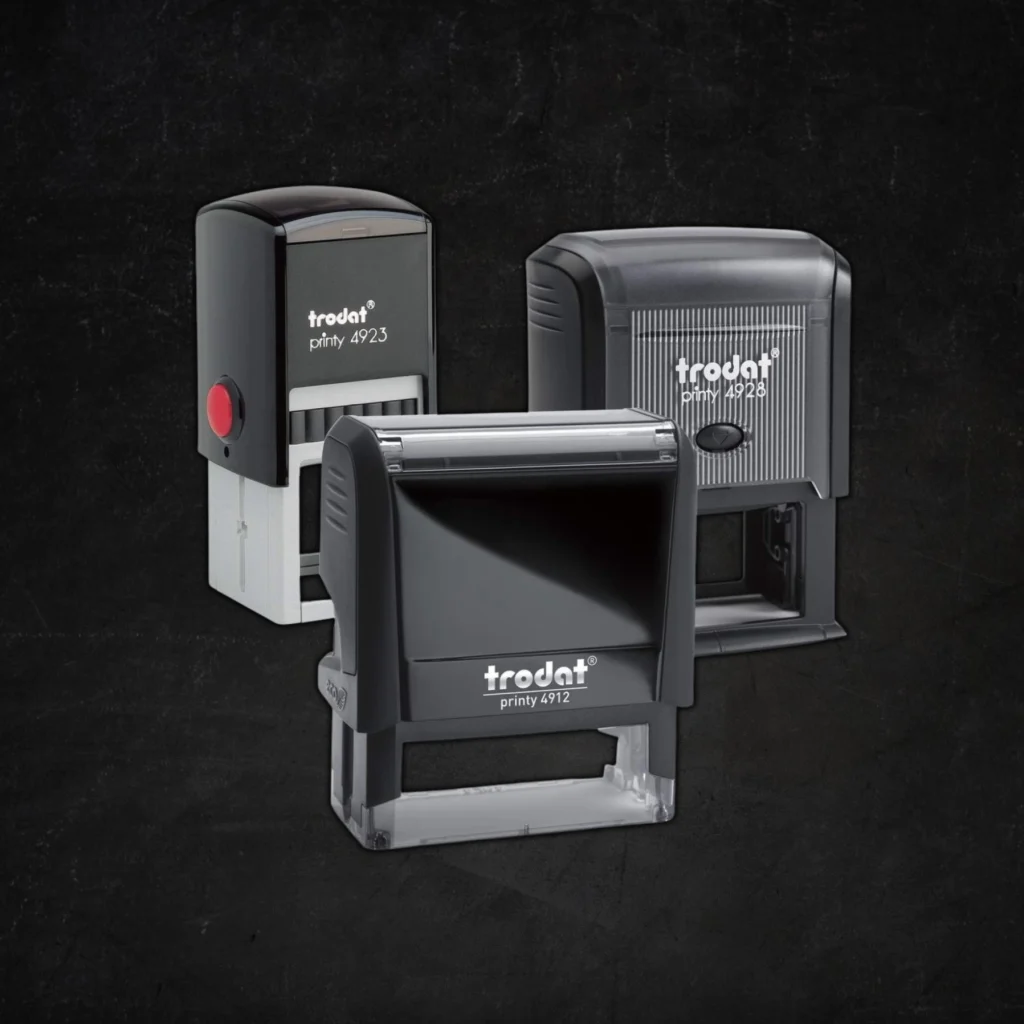
Types of Stamps: A Complete Guide to Different Stamp Types and Their Uses
Introduction
There are several types of stamps, and each one is designed for a different purpose. The most common options include traditional rubber stamps, self-inking stamps, pre-inked stamps, automatic stamps, wooden stamps, date stamps, numbering stamps, signature stamps, address stamps, logo stamps, and custom company stamps.
The right choice depends on how often you use the stamp, what you need to print, whether you require a logo or date, and how portable or durable the stamp needs to be. Understanding the differences between stamp types makes it easier to choose a practical option for office work, business documents, packaging, administration, and branding.
This guide explains the different types of stamps, their features, common applications, advantages, limitations, and the situations where each type works best.
What Are the Different Types of Stamps?
Stamps are reusable tools used to transfer ink, text, numbers, logos, dates, signatures, or other designs onto a surface. Modern stamps range from simple rubber designs used with a separate stamp pad to self-contained systems that automatically re-ink the stamp between impressions.
The most common stamp types include:
- Rubber Stamps
- Self-Inking Stamps
- Pre-Inked Stamps
- Automatic Stamps
- Wooden Stamps
- Date Stamps
- Numbering Stamps
- Signature Stamps
- Address Stamps
- Logo Stamps
- Company Stamps
- Round Stamps
- Rectangular Stamps
- Custom Stamps
The best option depends on the intended application rather than simply choosing the most advanced design.
1. Rubber Stamps
What Is a Rubber Stamp?
A traditional rubber stamp uses a carved or manufactured rubber impression surface and normally requires a separate ink pad.
It is one of the most flexible and familiar office stamp types, especially when users want to change colors, keep several ink pads available, or use a stamp occasionally.
Common Uses
Rubber stamps are commonly used for:
- Office documents
- Forms
- Packaging
- Envelopes
- Administrative paperwork
- Approval markings
- Branding
- Craft and creative projects
Advantages
A traditional rubber stamp is simple, reusable, and adaptable. The separate stamp pad also makes it possible to use different ink colors without changing the stamp itself.
Limitations
Because the stamp and ink pad are separate, it is less convenient for frequent mobile use than a self-inking or pre-inked design.
Best For
Traditional rubber stamps are suitable for users who need flexibility and do not mind carrying or storing a separate ink pad.
Example: A small business may use a custom rubber stamp featuring its company name and address on envelopes and internal paperwork.
2. Self-Inking Stamps
What Is a Self-Inking Stamp?
A self-inking stamp contains an internal ink pad. After each impression, the stamp mechanism automatically returns the rubber die to the ink pad.
This makes self-inking models convenient for repetitive office tasks.
Common Uses
They are particularly useful for:
- Invoices
- Forms
- Receipts
- Internal documents
- Approval stamps
- Packaging
- Administrative work
Advantages
- Fast for repetitive stamping
- No separate ink pad required
- Easy to handle
- Convenient for office environments
- Suitable for frequent use
Limitations
The internal mechanism can eventually require maintenance or replacement of the ink supply. Very detailed designs may also need an appropriately sized stamp to remain clear.
Best For
Self-inking stamps are often a practical choice for offices and businesses that stamp the same information many times per day.
3. Pre-Inked Stamps
What Is a Pre-Inked Stamp?
A pre-inked stamp stores ink within the stamp material itself rather than relying on a conventional external pad.
These stamps can produce clean, detailed impressions when properly designed and maintained.
Common Uses
Pre-inked stamps are often selected for:
- Logos
- Signatures
- Detailed graphics
- Small text
- Professional branding
- Business correspondence
Advantages
- Compact design
- Clean impressions
- Good detail reproduction
- No separate stamp pad
- Useful for branding and graphics
Limitations
They may not be the first choice for users who require very high-volume repetitive stamping or frequent changes in ink color.
Best For
Pre-inked stamps are a strong option when image detail and a clean appearance are more important than maximum speed.
4. Automatic Stamps
What Is an Automatic Stamp?
The term automatic stamp is commonly used for stamps with a built-in mechanism that simplifies stamping and repositioning. In many cases, this overlaps with self-inking designs.
The main advantage is convenience: the stamping mechanism helps position the impression consistently and reduces manual handling.
Common Uses
Automatic stamps can be useful for:
- Repetitive document processing
- Office administration
- Company paperwork
- Forms
- Approval processes
Best For
Businesses that process a large volume of similar documents may benefit from an automatic format because it improves speed and consistency.
5. Wooden Stamps
What Is a Wooden Stamp?
A wooden stamp usually consists of a wooden handle or block fitted with a rubber impression surface. Unlike self-contained stamps, it normally requires a separate ink pad.
Common Uses
Wooden stamps are popular for:
- Craft applications
- Packaging
- Small business branding
- Handmade products
- Gift packaging
- Decorative stamping
Advantages
- Simple construction
- Comfortable grip
- Easy to customize
- Suitable for branding
- Available in many shapes and sizes
Limitations
They require a separate ink pad and are usually less convenient for high-volume office stamping.
Best For
Wooden stamps are particularly suitable for businesses that want a more traditional or handcrafted appearance.
6. Date Stamps
What Is a Date Stamp?
A date stamp allows the user to apply a date to a document instead of manually writing it.
Depending on the design, the date can be adjusted to reflect the current day.
Common Uses
Date stamps are useful for:
- Received documents
- Invoices
- Records
- Filing
- Inventory paperwork
- Administrative documents
- Approval workflows
Advantages
They improve consistency and can reduce repetitive handwriting.
Limitations
The user must remember to adjust the date when required.
Best For
Businesses, offices, warehouses, schools, and administrative departments that process documents by date.
Example: An office can use a date stamp to mark the day a supplier invoice was received.
7. Numbering Stamps
What Is a Numbering Stamp?
A numbering stamp is designed to apply sequential or selected numbers to documents, forms, tickets, records, or other materials.
Common Uses
- Invoice numbering
- Ticketing
- Forms
- Inventory records
- Files
- Administrative documents
Advantages
Numbering stamps can make repetitive identification tasks faster and more consistent.
Limitations
They are specialized tools and are unnecessary when numbering is already handled digitally or automatically.
Best For
Organizations that work with physical documents requiring sequential identification.
8. Signature Stamps
What Is a Signature Stamp?
A signature stamp reproduces an approved signature as a stamp impression.
It may be useful where an organization has established internal procedures for applying authorized signatures.
Common Uses
- Internal documents
- Administrative paperwork
- Routine correspondence
- Repetitive authorization workflows
Advantages
A signature stamp can save time when the same signature impression is repeatedly required.
Limitations and Important Consideration
A signature stamp should not automatically be treated as legally equivalent to a handwritten or electronically authorized signature. Its acceptability depends on the document, organization, process, and applicable rules.
Best For
Controlled administrative workflows where authorized personnel establish when and how the stamp may be used.
9. Address Stamps
What Is an Address Stamp?
An address stamp contains a fixed postal or business address that can be applied repeatedly.
Common Uses
- Envelopes
- Packages
- Invoices
- Business correspondence
- Return-address materials
Advantages
It eliminates the need to repeatedly write the same information.
Best For
Businesses, professionals, home offices, and organizations that regularly send physical mail.
10. Logo Stamps
What Is a Logo Stamp?
A logo stamp reproduces a business logo or visual identity as a stamp impression.
A well-prepared logo should have sufficient contrast and appropriate detail for the selected stamp size.
Common Uses
- Packaging
- Paper bags
- Product boxes
- Envelopes
- Thank-you cards
- Promotional materials
- Handmade products
Advantages
Logo stamps provide a simple way to add consistent visual branding to physical materials.
Limitations
Highly complex logos may lose fine details at very small sizes. Artwork should therefore be prepared specifically for stamping rather than simply copied from a low-resolution image.
Best For
Small businesses, retailers, cafés, handmade-product brands, boutiques, and packaging applications.
11. Company Stamps
What Is a Company Stamp?
A company stamp typically contains identifying business information such as the company name, address, registration details, or another approved format.
Exact requirements vary by organization and jurisdiction, so businesses should use the format required for their particular administrative purpose.
Common Uses
- Business documents
- Internal paperwork
- Correspondence
- Administrative forms
- Invoices
- Company records
Best For
Businesses that regularly process physical documents and need a consistent identification mark.
12. Round Stamps
What Is a Round Stamp?
A round stamp uses a circular impression area. It is commonly chosen for logos, seals, company names, and compact branding layouts.
Common Uses
- Company branding
- Logo stamping
- Packaging
- Certificates
- Promotional materials
- Decorative applications
Advantages
The circular shape provides a visually balanced layout and works particularly well with logos or text arranged around a central element.
Best For
Organizations and businesses seeking a recognizable, compact branding impression.
13. Rectangular Stamps
What Is a Rectangular Stamp?
A rectangular stamp offers a longer horizontal or vertical area, making it practical for multiple lines of text.
Common Uses
- Company names
- Addresses
- Contact information
- Document classifications
- Approval messages
- Administrative information
Advantages
The shape efficiently accommodates text-heavy layouts.
Best For
Offices and businesses that need to include several lines of information in one impression.
14. Custom Stamps
What Is a Custom Stamp?
A custom stamp is made according to the customer’s chosen text, logo, artwork, shape, or layout.
Custom stamps can combine branding and practical information in a single impression.
Popular Custom Stamp Designs
- Company stamps
- Logo stamps
- Address stamps
- Signature stamps
- Packaging stamps
- Approval stamps
- Personalized business stamps
Advantages
Custom stamps provide flexibility and can be designed around a specific business process or branding requirement.
Limitations
The quality of the final result depends heavily on artwork preparation, stamp size, material, and the level of detail in the design.
Types of Stamps Comparison
| Stamp Type | Best For | Main Advantage | Reusability | Recommended Use |
|---|---|---|---|---|
| Rubber Stamp | General stamping | Flexible and simple | High | Occasional office use |
| Self-Inking Stamp | Frequent stamping | Fast and convenient | High | Offices and businesses |
| Pre-Inked Stamp | Detailed designs | Sharp impressions | High | Logos and signatures |
| Automatic Stamp | Repetitive work | Convenient mechanism | High | High-frequency office use |
| Wooden Stamp | Branding and craft | Traditional format | High | Packaging and creative use |
| Date Stamp | Date marking | Easy date application | High | Records and paperwork |
| Numbering Stamp | Sequential numbering | Consistent numbering | High | Forms and records |
| Signature Stamp | Repeated signatures | Saves time | High | Controlled administrative use |
| Address Stamp | Mailing | Saves writing time | High | Envelopes and correspondence |
| Logo Stamp | Branding | Adds visual identity | High | Packaging and marketing |
| Company Stamp | Business paperwork | Consistent company identification | High | Administrative documents |
Self-Inking vs Pre-Inked vs Traditional Rubber Stamps
Choosing between these three popular types of stamps largely depends on frequency of use, design detail, portability, and how the stamp will be stored.
| Feature | Self-Inking | Pre-Inked | Traditional Rubber |
|---|---|---|---|
| Built-in ink | Yes | Yes | No |
| Separate ink pad | No | No | Yes |
| Frequent use | Excellent | Good | Good |
| Detailed artwork | Good | Excellent | Good |
| Portability | Excellent | Excellent | Moderate |
| Ink color flexibility | Limited by design | Limited by design | Excellent |
| Ease of use | Very easy | Very easy | Simple but requires pad |
| Best application | Office work | Detailed graphics | Flexible general use |
Which One Should You Choose?
Choose a self-inking stamp when speed and convenience are the priority.
Choose a pre-inked stamp when you want a compact stamp capable of producing detailed impressions.
Choose a traditional rubber stamp when flexibility and the ability to use different ink pads are more important.
There is no universally “best” stamp. The best stamp is the one that matches the actual workflow and impression requirements.
Benefits of Using Custom Business Stamps
Custom business stamps can provide practical benefits beyond simple document marking.
1. Professional Appearance
A consistent company name, logo, or approval mark can make physical documents appear more organized and standardized.
2. Stronger Branding
A logo stamp gives businesses another way to place their visual identity on packaging, envelopes, cards, and physical materials.
3. Better Workflow Efficiency
Repeatedly writing the same information takes unnecessary time. A suitable business stamp can simplify repetitive physical processes.
4. Consistent Information
A custom stamp helps reproduce the same text, address, logo, or message consistently across multiple items.
5. Faster Document Processing
Date stamps, approval stamps, and other specialized designs can make recurring administrative tasks more efficient.
6. Business Identification
A company stamp can provide a consistent way to identify business documents and correspondence where such a stamp is appropriate.
How to Choose the Right Stamp for Your Business
Choosing the best stamp for business use requires looking beyond the appearance of the stamp.
Frequency of Use
For frequent stamping, a self-inking or automatic model may offer better convenience. For occasional use, a traditional rubber stamp may be sufficient.
Required Text
A short name or simple word may fit almost any format, while multiple lines of business information may be better suited to a rectangular stamp.
Logo or Branding
If the stamp needs to reproduce a company logo, select a format and size that can preserve the important details of the artwork.
Stamp Size
The stamp should be large enough to remain readable while still fitting comfortably on the intended surface.
Portability
A compact self-contained stamp can be more convenient for employees who need to stamp documents outside the main office.
Durability
For frequent use, choose a construction suitable for the expected workload rather than selecting only by appearance.
Budget
Compare the total value of the stamp for your workflow instead of focusing only on its initial cost.
Type of Documents
Consider whether the stamp will be used on:
- Paper
- Envelopes
- Packaging
- Forms
- Office documents
- Cards
- Other suitable surfaces
Date or Numbering Requirements
A date stamp or numbering stamp makes more sense than a standard custom stamp when the information changes regularly.
Indoor or Outdoor Usage
The stamp and ink should be selected according to the intended surface and environmental conditions. Not every stamp or ink formulation is appropriate for every material.

Common Uses of Business and Office Stamps
Different business stamps support different stages of everyday administration and branding.
Invoices and Receipts
Businesses may use stamps for internal processing, identification, or routine document handling.
Contracts and Forms
Some organizations use stamps to indicate review, processing, or administrative status. Any legal or contractual significance should follow the applicable company procedure.
Packaging
Logo stamps can create simple, repeatable branding on boxes, bags, wrapping materials, and product packaging.
Company Paperwork
Company and address stamps can help standardize recurring information across physical documents.
Approval Documents
Approval-related stamps can support internal workflows where the organization has defined procedures for their use.
Envelopes
Address stamps are particularly convenient when sending many pieces of physical correspondence.
Branding Materials
Logo and custom stamps can add a recognizable visual element to cards, packaging, tags, envelopes, and other printed materials.
Common Questions About Types of Stamps
What are the most common types of stamps?
The most common types include traditional rubber stamps, self-inking stamps, pre-inked stamps, automatic stamps, wooden stamps, date stamps, numbering stamps, signature stamps, address stamps, logo stamps, company stamps, and custom stamps. Each type serves a different combination of administrative, business, branding, or personal requirements.
What is a self-inking stamp?
A self-inking stamp contains an internal ink pad that re-inks the stamp automatically after each impression. It is convenient for repetitive tasks because you do not need to handle a separate ink pad. Self-inking stamps are commonly used in offices for documents, forms, invoices, packaging, and routine administrative work.
What is the difference between a self-inking and pre-inked stamp?
A self-inking stamp uses a built-in pad that contacts the stamp mechanism after each impression. A pre-inked stamp stores ink within the stamp material itself. Self-inking models are popular for repetitive office work, while pre-inked stamps are often preferred when compact size and detailed impressions are important.
Which stamp is best for business use?
The best stamp for business use depends on the task. Self-inking stamps are usually convenient for frequent office stamping, traditional rubber stamps offer flexibility, and pre-inked stamps can work well for detailed logos or signatures. Businesses should consider frequency, design complexity, stamp size, portability, and the type of documents being stamped.
Can a stamp include a company logo?
Yes. A custom stamp can be designed to include a company logo, provided the artwork is suitable for the selected stamp size and production method. Simple, high-contrast artwork generally transfers more clearly than highly detailed graphics at very small sizes.
Are custom stamps reusable?
Yes. Most custom stamps are designed for repeated use, with the practical lifespan depending on the stamp construction, ink, frequency of use, storage, and maintenance. Reusability is one of the main benefits of using a stamp rather than printing or writing the same information separately each time.
What size stamp should I choose?
The ideal stamp size depends on what you need to reproduce. A small stamp can work for a simple logo or short phrase, while a larger rectangular stamp may be better for multiple lines of business information. The impression should remain legible without becoming unnecessarily large for the intended document.
How long does a custom stamp usually last?
There is no universal lifespan for every custom stamp. Durability depends on construction, frequency of use, ink, surface, storage, and maintenance. A stamp used occasionally may remain useful for a long period, while one used heavily every day will naturally experience more wear.
Can I use a stamp on different types of documents?
A stamp can be used on many common paper-based materials, but the result depends on the stamp material, ink formulation, and surface. Standard office stamps are generally intended for suitable porous surfaces such as paper. Other materials may require an appropriate stamp and ink combination.
What is the best stamp for frequent office use?
For frequent office use, a self-inking or automatic format is often a practical choice because it combines the stamp and ink into one convenient unit. The final selection should still consider the required impression size, text, logo detail, workload, and replacement or maintenance requirements.
Conclusion
Understanding the types of stamps makes it easier to select the right tool for a specific business or personal application. Traditional rubber stamps offer flexibility, self-inking stamps provide convenience for repetitive work, and pre-inked stamps can produce detailed impressions in a compact format.
Specialized options such as date stamps, numbering stamps, signature stamps, address stamps, logo stamps, and company stamps solve more specific requirements. Shape also matters: round stamps can work well for logos and compact branding, while rectangular stamps often provide more room for text.
For businesses, the best approach is to start with the actual task: determine what information needs to be stamped, how often it will be used, what surface it will be applied to, and whether branding or variable information such as dates and numbers is required. From there, selecting the appropriate stamp type becomes much easier.
Internal Linking Suggestions
| Anchor Text | Suggested Article Topic |
|---|---|
| Custom Stamp Printing | A Complete Guide to Custom Stamp Printing |
| Business Card Printing | Business Card Design and Printing Guide |
| Office Printing Services | Essential Printing Services for Modern Offices |
| Label Printing | Complete Guide to Custom Label Printing |
| Corporate Branding Materials | Essential Corporate Branding Materials for Businesses |
Recommended internal-linking strategy: Link this pillar article to individual service pages or supporting articles using descriptive anchors rather than repeatedly using the exact keyword Types of Stamps.